






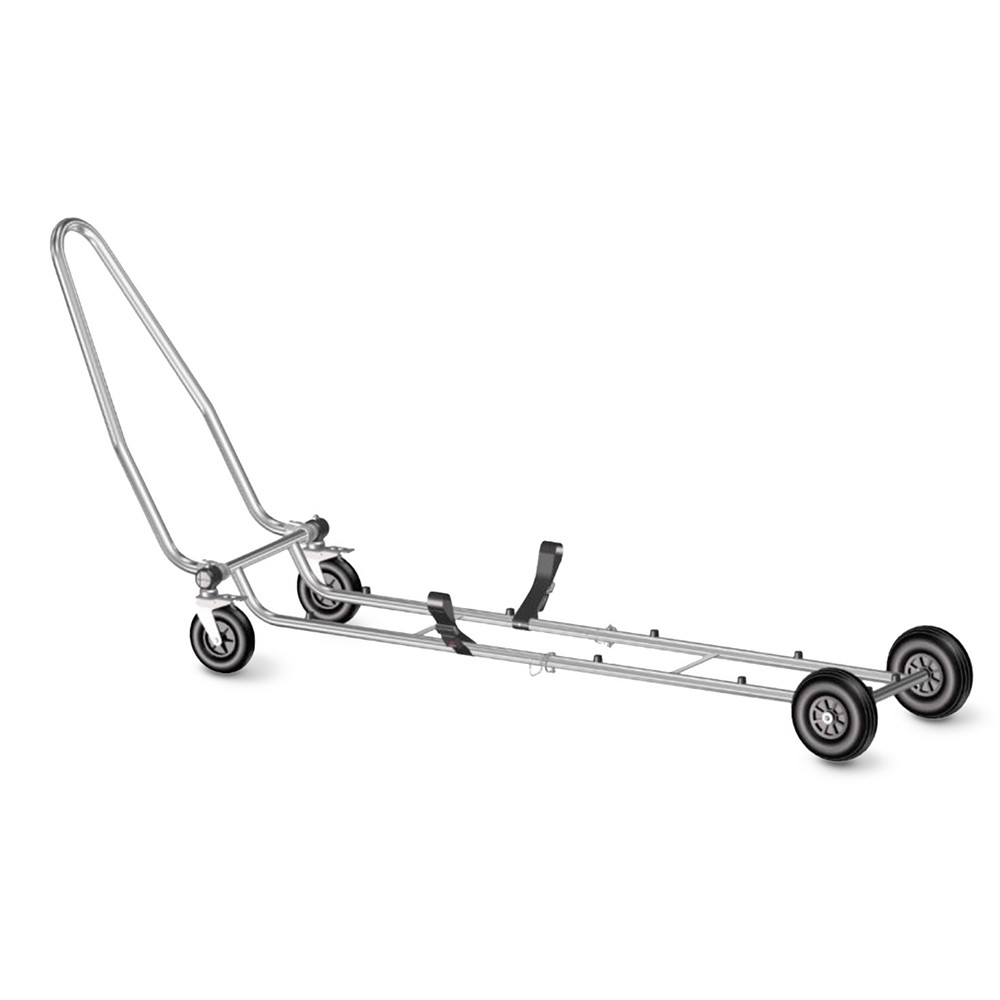
Rescue Tray Trolley
- Length (without handlebar) 212,5 cm
- Capacity to load 300 kg
- 15 kg weight
- Al, Steel, Nylon
2040,00€ VAT Incl.
Products available
Fast delivery in France and internationally
Free delivery in France
From €400 of online purchases on the site
Free quote 24h
Contact us!
Customer Service
+334 79 34 92 15
Mobile payment
Apple & Google Pay
Technical description of the rescue basket trolley
Support system designed to facilitate ground transportation of Spencer stretchers.
- Length (without handlebar) 212,5 cm
- Width 63 cm
- Folded dimensions 122,5 x 66,5 x 41,5 cm
- 15 kg weight
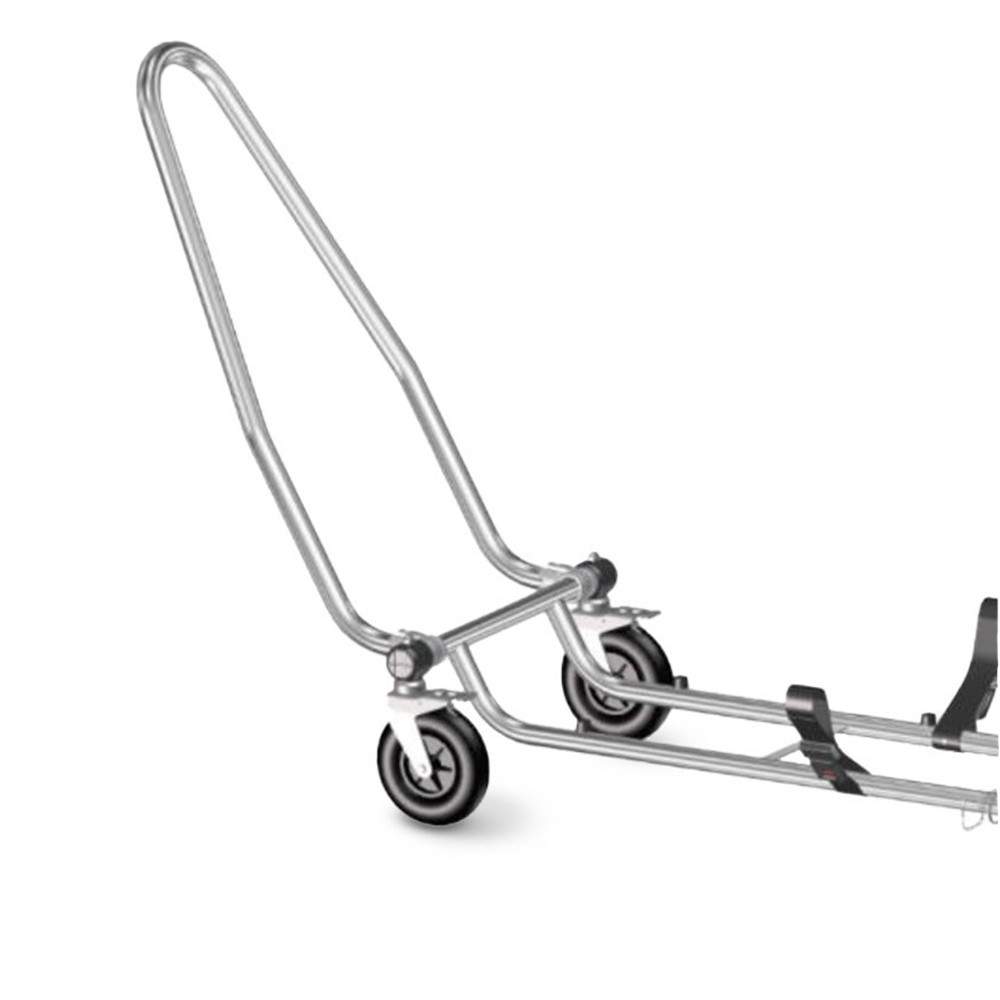
- Front wheel diameter 20 cm
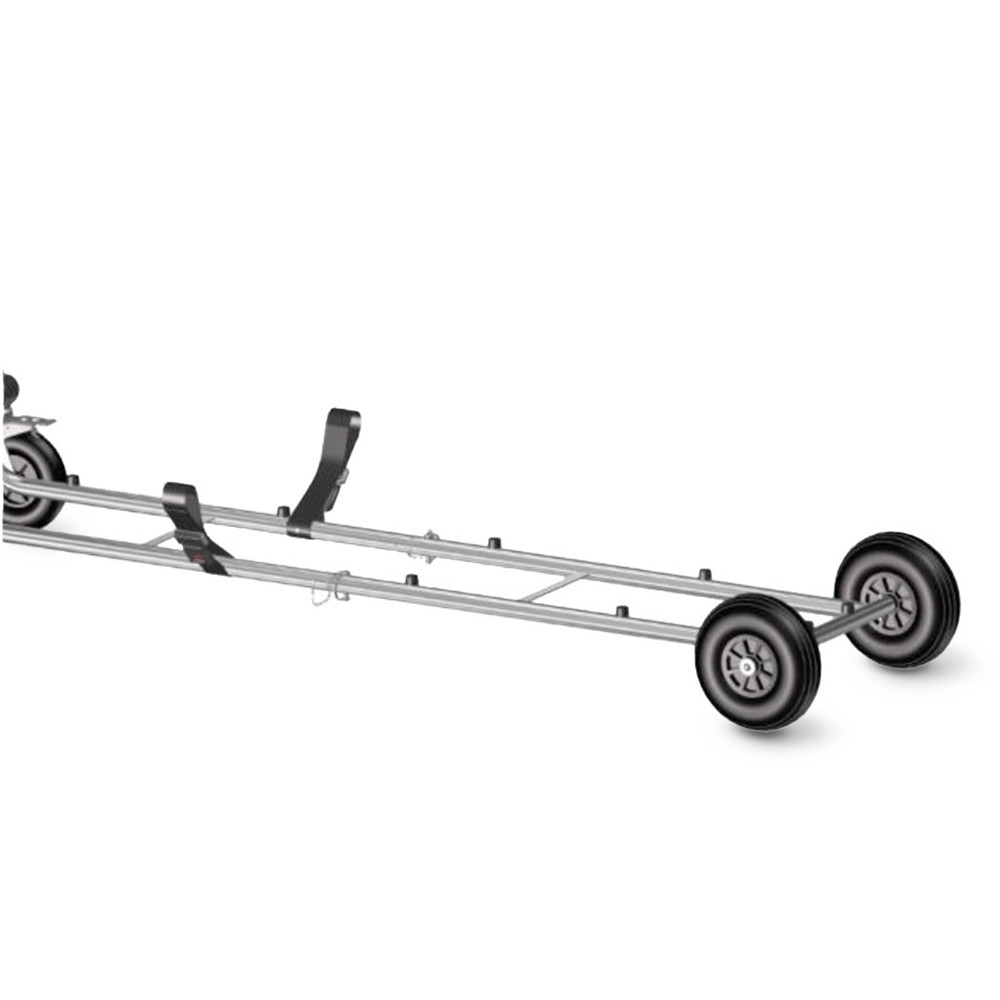
- Rear wheel diameter 26 cm
- Loading capacity 300 kg
- Materials
Benefits Rescue Tray Trolley
- Ease of transportation: The trolley allows the basket stretcher to be transported effortlessly, even over long distances or difficult terrain.
- Time saving : The trolley allows victims to be moved quickly, essential in emergency situations.
- Increased security: The trolley ensures the stability of the stretcher. It reduces the risk of falling or injury for the victim and the rescuers.
- Handling: The swivel wheels and drawbar make it easy to maneuver the cart (in tight spaces).
- Versatility: The trolley can be used with different types of basket stretchers and adapts to various rescue situations.
- Reduced footprint: The folding cart stores easily in a rescue vehicle or storage room.
Application fields
- Roadside assistance: In the event of a road accident, the trolley facilitates the extraction and transport of victims, particularly when access is difficult with a conventional stretcher.
- Industrial environments: on industrial sites, construction sites, warehouses, etc. The trolley allows injured people to be quickly evacuated to the infirmary or a gathering point.
- Rescue associations: Volunteers from rescue associations use the trolley during their interventions to transport victims and first aid equipment.
- Care structures: in hospitals, clinics, retirement homes, etc. The trolley facilitates the transfer of patients between departments or to medical transport vehicles.
In summary, the basket stretcher trolley is an essential tool for first aid professionals, because it facilitates the transport of victims, improves the speed and safety of interventions, and contributes to more effective care of people in difficulty.
Further information
| Weight | 15 kg |
|---|---|
| Size | 212,5 × 63 cm |


